

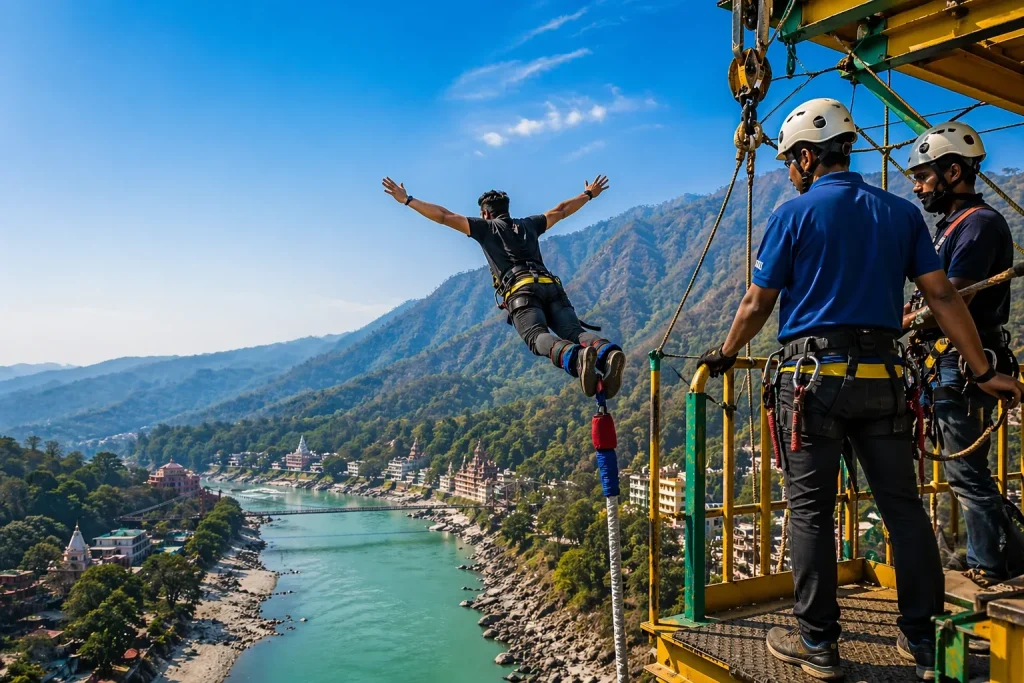
Before you book the jump, this blog helps you understand the safety standards, systems, and signs of a professionally managed experience.
The idea of jumping off a platform with a cord attached can sound scary at first. That is why so many first-time travellers ask the same thing before booking. Is bungee jumping actually safe in India?
The honest answer is yes, it can be, but only when the activity is run by a professional operator who follows strict safety systems. In a well-managed setup, safety is not a matter of luck. It depends on trained jump masters, quality equipment, proper checks, clear rules, and emergency readiness. For people planning bungee jumping Rishikesh, this matters even more because the experience is often booked as a once-in-a-lifetime adventure. Jumpin Heights has built its identity around this trust factor, positioning its Rishikesh experience as a professionally managed jump backed by structured safety practices.
Is Bungee Jumping Safe in India?
Yes, bungee jumping can be safe in India when it is operated under proper standards.
It is still an extreme activity, so it should never be treated casually. But that does not mean it is unsafe by nature. What matters is how the jump is managed. A professional operator reduces risk through strong procedures, equipment checks, staff training, medical screening, and emergency planning.
So instead of asking only, “Is this activity safe?”, a better question is, “Is this operator serious about safety?” That is the real difference between an exciting experience and a careless one.
What Actually Makes a Bungee Jump Safe?
A safe jump is built on systems, not on confidence alone.
Several things need to work together before a person takes the leap:
- trained jump masters
- properly maintained equipment
- secure harnessing
- weight and age checks
- medical screening
- clear jump briefing
- emergency and rescue readiness
- regular inspections
When these checks are part of the process, the activity becomes far more reliable. When they are rushed, skipped, or treated lightly, the experience becomes less trustworthy.
This is why travellers should never choose a jump only because it looks thrilling on social media. A professional setup should be able to show that safety comes first.
Which Safety Standards Matter Most?
Not every jump setup offers the same level of confidence. That is why standards matter so much.
A serious bungee jumping operator should follow recognised international safety practices for commercial bungee operations. This usually covers:
- platform design and structure
- cord and harness quality
- operating procedures
- inspection schedules
- rescue drills
- staff training
- participant eligibility rules
For a traveller, this means one simple thing. A safe operator should not sound vague when talking about safety. It should have clear rules, clear systems, and a clear process.
If a brand speaks openly about trained staff, regular checks, rescue preparedness, and proper jump protocols, that is usually a far better sign than dramatic marketing alone.
What Checks Should Happen Before Every Jump?
A good jump experience should feel organised from the beginning. It should not feel random or rushed.
Here are some of the most important checks that should happen before every jump:
- Age and Weight Eligibility
Every operator should have clear limits for who can jump. This is one of the first signs of a professionally managed experience.
In most cases, bungee jumping is allowed only within a fixed age and weight range. If the rules are unclear or casually explained, that should make you pause.
- Medical Screening
This part is extremely important.
A safe operator should ask about conditions such as:
- heart issues
- high blood pressure
- back or neck injury
- recent fracture or surgery
- epilepsy
- pregnancy
- serious bone or nerve conditions
This is not done to scare people. It is done to make sure the jump is suitable for the person attempting it.
- Equipment Check
Before the jump, the gear should be checked properly. That includes the harness, connection points, and the jumping system itself.
This step should never feel rushed. Small details matter a lot in an extreme sport.
- Personal Briefing
A proper briefing helps the jumper understand:
- how the jump works
- how to stand
- when to jump
- what body position to hold
- what to expect after the leap
This is especially helpful for first-time jumpers who may be excited but nervous.
- Rescue Readiness
A professional operator should always be ready for unexpected situations. That means trained staff, first aid support, and rescue planning should already be in place before the first jump of the day begins.
Why Do People Trust Rishikesh for Bungee Jumping?
There is a reason Rishikesh bungee jumping has become so popular among thrill-seekers.
Rishikesh already has a strong identity as one of India’s best-known adventure destinations. People visit for river rafting, outdoor experiences, mountain views, and adrenaline-based travel. That wider adventure culture makes the destination feel more natural for activities like bungee jumping Rishikesh.
For many travellers, the appeal is not only the jump itself. It is also the setting. The mountain backdrop, the open valley, and the sense of escape all add to the experience. That is why adventure sports in Rishikesh continue to attract people from across India and from abroad.
Still, destination appeal should never replace proper judgement. A great location adds excitement, but safety should always remain the main booking factor.
Does the Height of the Jump Make It Safer?
No. Height makes the jump more thrilling, not safer.
Many people are drawn to the idea of the highest bungee jumping in India because it sounds more dramatic and memorable. That is understandable. But height alone should never be the reason you trust an operator.
A safer jump depends on:
- the quality of the platform
- the strength of the operating system
- the experience of the crew
- the discipline of pre-jump checks
- the consistency of safety procedures
So yes, the highest bungee jumping in India may sound exciting, but the real question is whether it is managed properly. That is what gives a jumper real confidence.
How Can First-Time Jumpers Judge Whether an Operator Is Safe?
If you are booking your first jump, use this simple checklist.
Look for These Signs
- Clear safety rules: The operator should explain eligibility, restrictions, and process in a clear way.
- Visible professionalism: The team should look organised, calm, and experienced.
- Proper briefing: You should be told exactly what to expect before the jump.
- Medical restrictions: A serious operator will not let everyone jump without screening.
- Structured checks: Harnessing, weight checks, and equipment review should be part of the routine.
- Safety-first messaging: The brand should talk about process and standards, not only thrill.
This is one of the smartest ways to judge any bungee jumping Rishikesh experience before making a booking.
A Great Jump Starts with a Safe Operator
So, is bungee jumping safe in India? Yes, it can be, when the jump is run with proper standards, trained professionals, strict checks, and clear safety systems. It is an extreme activity, but that does not mean it has to feel reckless. The right operator makes all the difference.
For travellers looking at Rishikesh bungee jumping, Jumpin Heights presents itself as a safety-led option built around structured procedures, trained jump masters, and a professionally managed adventure environment. If you are planning to try bungee jumping Rishikesh and want the thrill with greater confidence, explore the experience carefully and book your jump with an operator that treats safety as seriously as the adventure itself.